

How to Turn Customer Insights Into Product and Marketing Decisions
Customer insights should be organized by segment, problem, repeated wording, purchase reason, churn reason, and product improvement hypothesis.
Customer interviews, survey responses, app reviews, support tickets, and sales call notes are all valuable. But because they come in different formats, putting them in one place does not automatically create a product decision or marketing message. Organizing customer insights is less about a polished summary and more about finding repeated problems and actionable hypotheses.
Why Customer Materials Become Scattered
Customer materials vary by channel. Interviews are long, surveys are short, reviews include emotion, and support tickets focus on problems.
If you simply collect them as they are, you may have many customer voices but still not know which problem to solve first.
Separate Customer Segments and Situations First
Not every customer comment should carry the same weight. Start by separating new users, power users, churned customers, and customers near purchase.
The same complaint can lead to a different product priority depending on who said it and in what situation.
Find Repeated Frictions and Exact Wording
In customer insights, repeated patterns matter more than one strong opinion. If many customers describe the same friction in similar words, it may be a real signal for product or messaging.
The customer’s exact wording is also valuable for marketing. Keep customer language separate from the team’s interpretation so it can be used more accurately later.
Connect Insights to Product and Marketing Decisions
Customer insights become weak if they stop at what the customer said. You need to decide whether each insight connects to product improvement, onboarding, pricing, content, or advertising.
For example, a review saying the product is useful but hard to start with may point to first-use flow or tutorial messaging rather than adding more features.
Structure Customer Insights in Brify
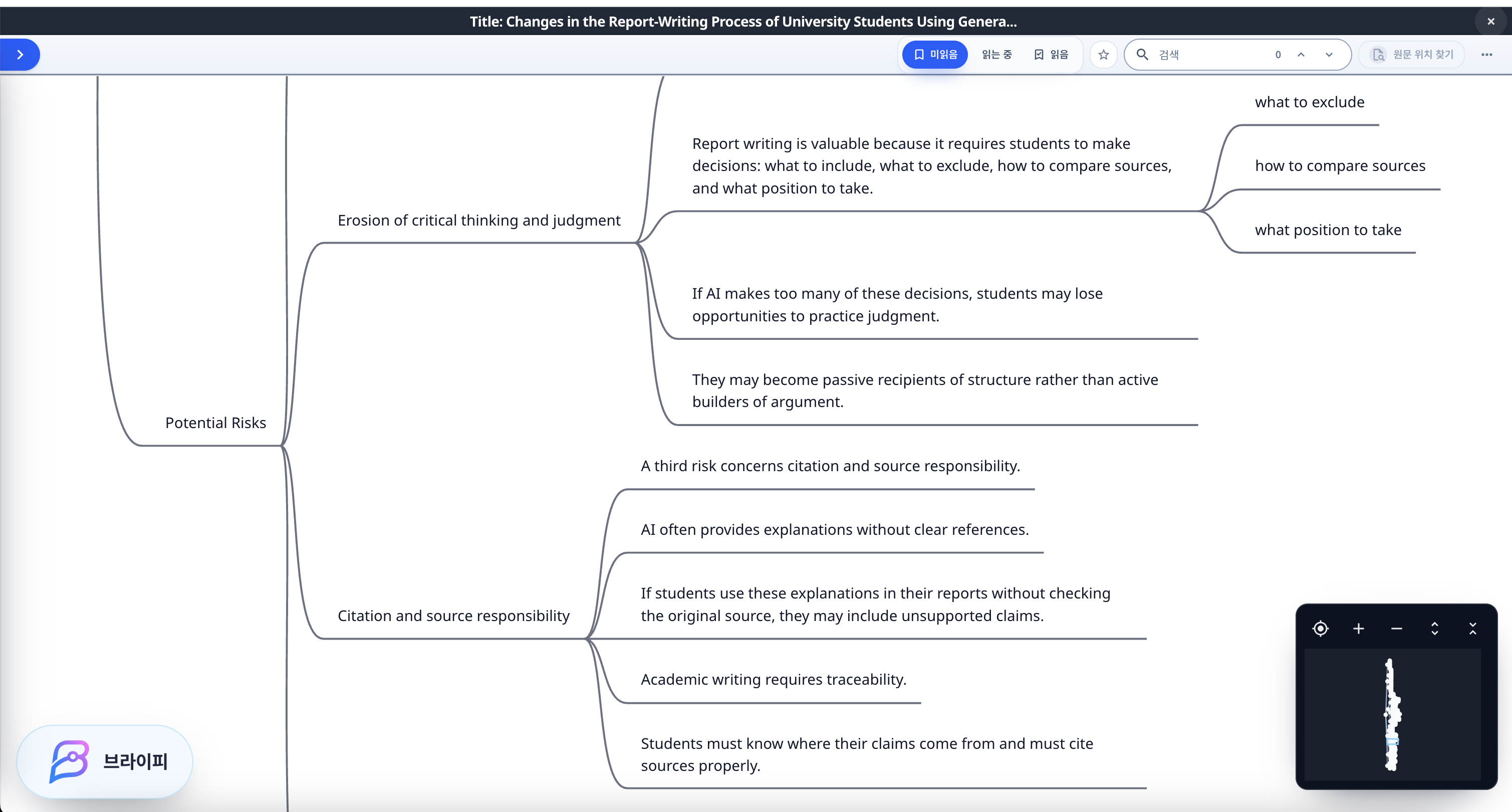
In Brify, you can connect customer segment, problem, original wording, repeated frequency, product hypothesis, and marketing message in one structure map.
This helps product and marketing teams use the same customer material for different decisions without losing the original signal.
Turning Business Materials Into a Decision Structure in Brify
The important point in How to Turn Customer Insights Into Product and Marketing Decisions is not making the material shorter. It is organizing it so it can lead to the next judgment and the next action. Market research reports, competitor analysis, customer insights, and meeting materials are not only things to read. They are inputs for decisions.
In Brify, you can turn business materials into a structure map with nodes such as core question, market/customer/competitor information, evidence, interpretation, open issues, decisions, action items, owners, and deadlines. This keeps research summaries and meeting notes from becoming scattered documents.
In real work, more information often makes the conclusion less clear. If numbers, customer quotes, competitor features, and meeting opinions are placed in the same paragraph, it becomes hard to tell what is fact, what is interpretation, and what needs to be done next.
When a Structure Map Becomes More Useful
A structure map is especially useful when you have read a market research report but cannot explain what it means for your product or project, when meeting materials are long but the actual decision is unclear, or when a meeting note exists but owners and next actions are vague.
It also helps when research findings and meeting decisions are stored separately and never become an action plan. At that point, the answer is not a longer summary. What you need is a structure that connects insight, decision, and action item.
Business Review Checklist
If you are working on organize customer insights today, check four things: what decision question does this material answer, are evidence and interpretation separated, are the meeting issues visible, and does the material connect to next actions and owners?
If those four things are not visible, the material may look organized but may not be ready for execution. Turning it into a Brify structure map connects research, meetings, and action planning in one workflow.
Final Thoughts
Customer insight work is not just summarizing what customers said. Use Brify to connect segments, problems, repeated wording, and product hypotheses to real decisions.