

How to Choose an AI Summary Tool by Use Case
Learn how to choose an AI summary tool for studying, papers, PDF reports, YouTube lectures, and meeting materials.
There is no single correct AI summary tool for every situation. A tool that works well for studying may not be the best tool for papers, and a meeting summary tool may need a different structure again. Instead of asking which tool is most famous, ask what your material needs to become next.
Not Every AI Summary Tool Solves the Same Problem
Some tools are strong at shortening long text, some are built around PDFs or videos, and some are better at organizing and reusing the result.
Rather than forcing one tool into every situation, judge tools by the materials you handle most often and the output you need afterward.
For Studying
A study summary tool should do more than show key points. It should help you create review questions, identify confusing concepts, keep examples, and see relationships that may appear in exams.
For lecture notes and textbooks, a structure you can recall later is more useful than a short summary that feels clean only once.
For Papers
A paper summary tool should separate research question, method, results, and limitations. A conclusion-only tool can be helpful for a quick scan, but it may not be enough for a literature review.
Because papers require citation and verification, the ability to return to the original source is also important.
For PDF Reports and YouTube Lectures
For PDF reports, look for tools that separate conclusion, evidence, tables, figures, and conditions. Report summaries often become inputs for decisions or writing.
For YouTube lectures, timeline, key concepts, and sections to revisit matter more than a short paragraph. Video summaries are often more useful when organized by segment.
Why Brify Works Across Material Types
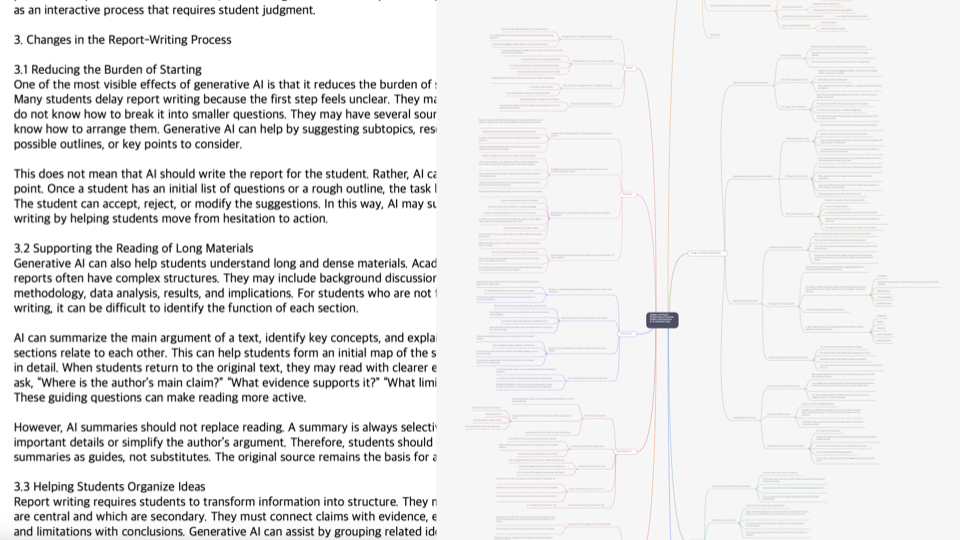
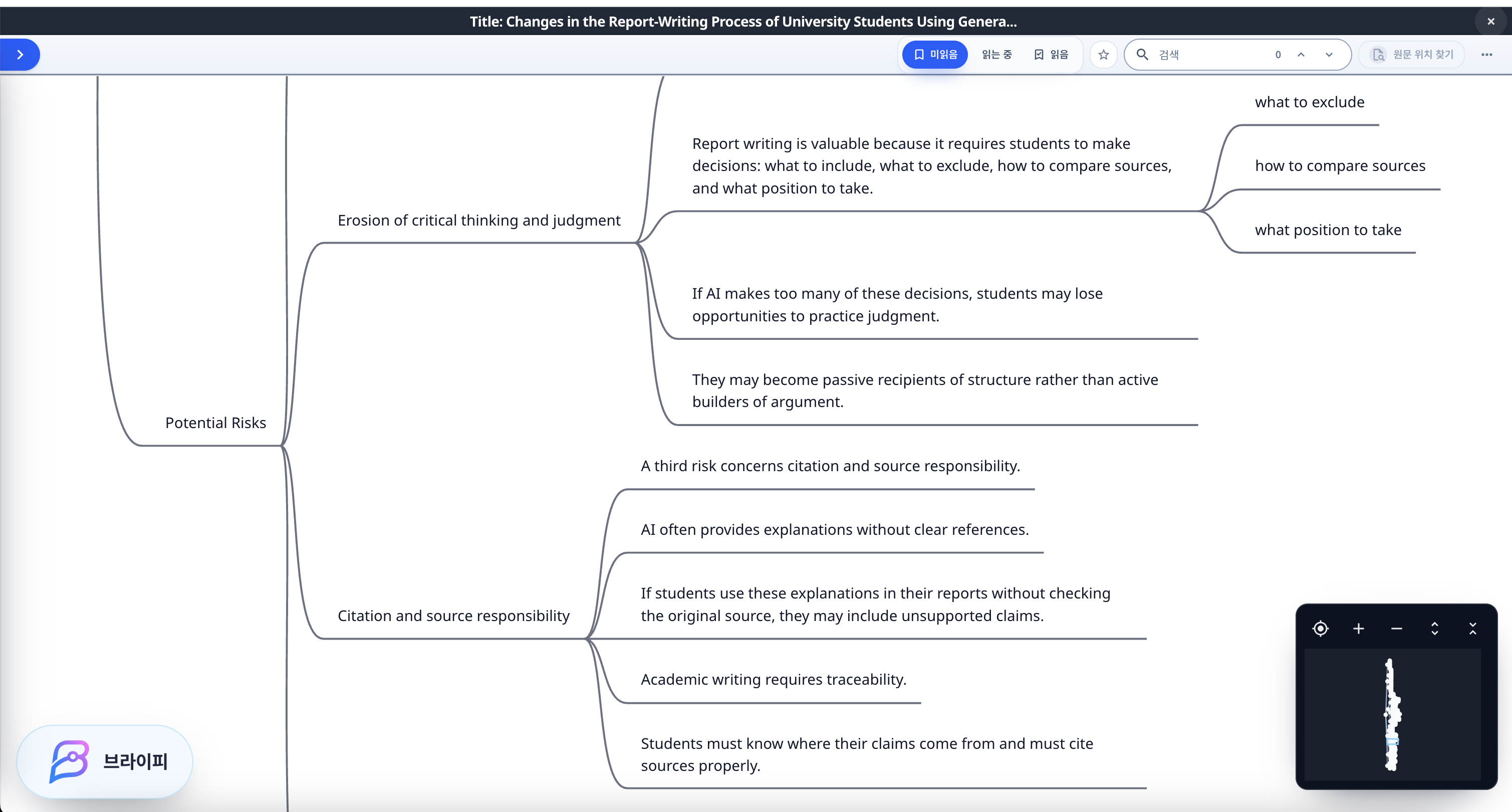
Brify focuses on leaving a structure map rather than only shortening the material. That makes it useful across study materials, papers, PDFs, and meeting documents because the result can be reused.
If choosing feels difficult, start with the most urgent material you have. When you see whether the result can move into your next task, the right summary style becomes clearer.
For Meeting Materials
Meeting materials and meeting notes need decisions, open issues, owners, deadlines, and action items more than a shortened transcript. If the summary does not support execution, its value is limited.
A meeting-focused tool should leave an action structure, not just a readable paragraph. Brify structure maps can help reorganize meeting content into that workflow.
Final Thoughts
When looking for AI summary tool recommendations, define your use case first. Study needs review questions, papers need research structure, reports need evidence, and meetings need action items. Trying one material in Brify can quickly show which summary style fits your work.